
Skip to the main content.

3 min read

What We Learned at the Autism Symposium and How It Reinforced Rock Point’s Educational Philosophy

What We Learned at the Autism Symposium and How It Reinforced Rock Point’s Educational Philosophy
5:50

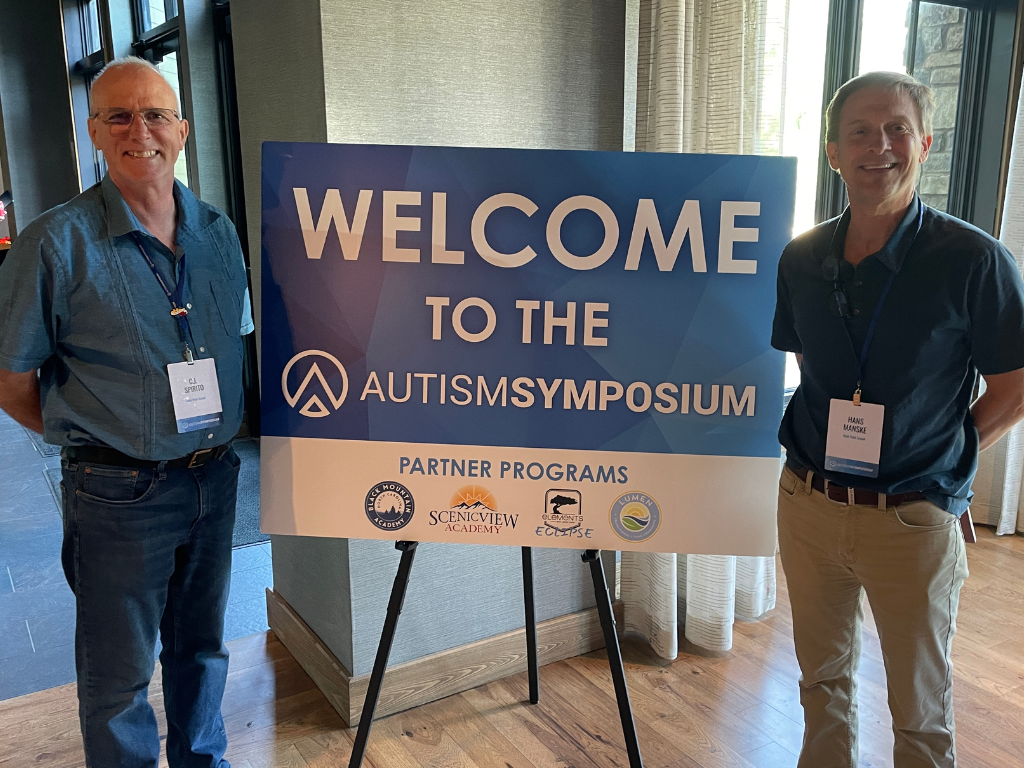
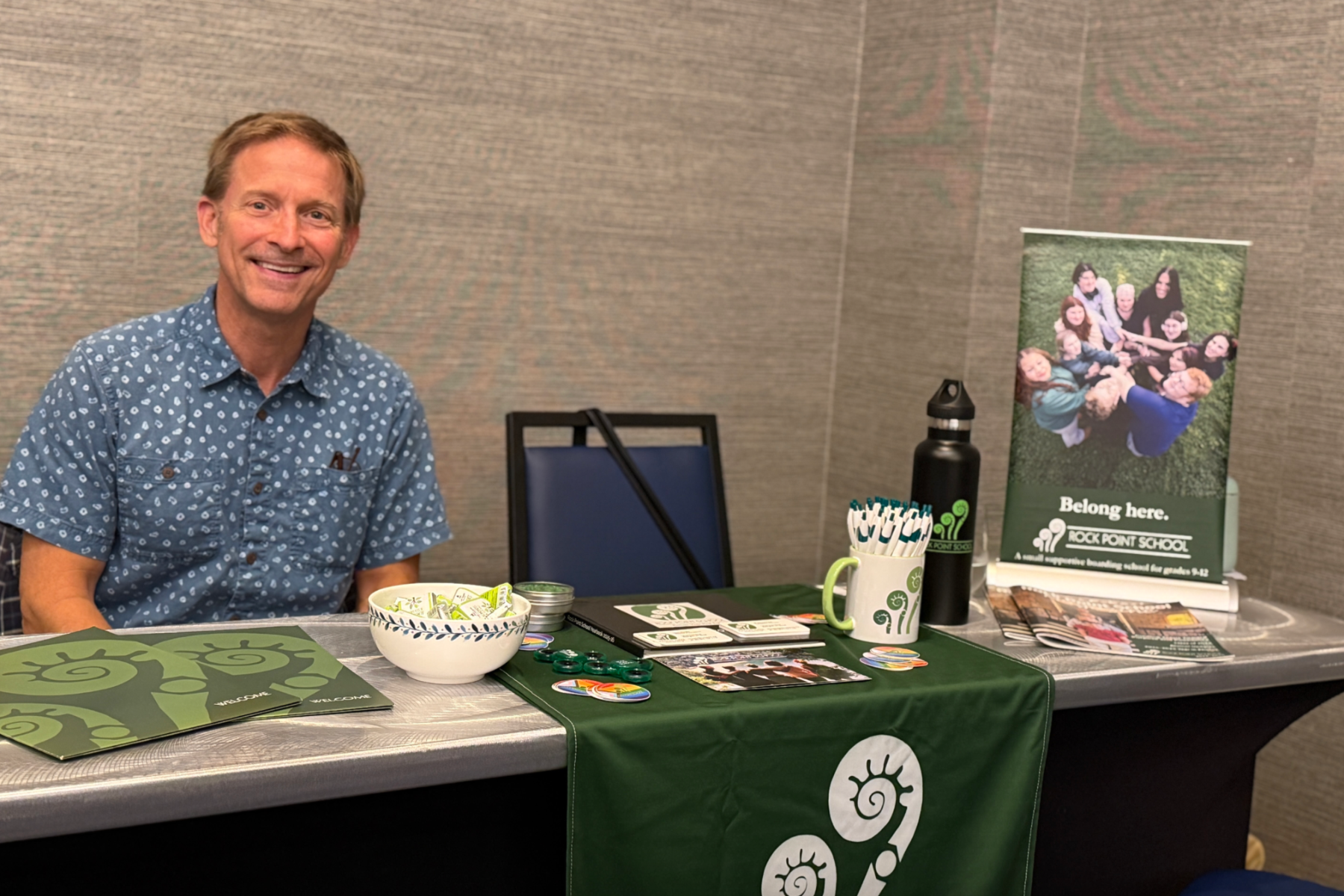
This year, we (C.J. Spirito, Head of School & Hans Manske, Director of Admissions) attended the 2026 Autism Symposium in Rising Fawn, Georgia. At Rock Point School, we support non-traditional learners, many of whom also have ADHD, Level 1 Autism, or learning differences. As we have seen the number of neurodiverse and autistic students enrolling at Rock Point School continue to grow, we wanted to attend the Symposium to deepen our understanding of how best to support those students’ educational journeys.

At the Symposium, we engaged in meaningful discussions, connected with fellow educators, and returned with the affirmation that many of Rock Point School’s practices align closely with the approaches and best practices shared by experts at the event. Below are some of our key takeaways from the Symposium and how we connected them to Rock Point’s educational philosophy.


1. Relationships Are The Foundation

A common theme throughout nearly every presentation at the Symposium was the importance of a relationship-based coaching model in supporting autistic and neurodiverse students. Building strong, empathetic, and trusting relationships allows educators to better understand how students learn, process experiences, and communicate their academic and personal needs.

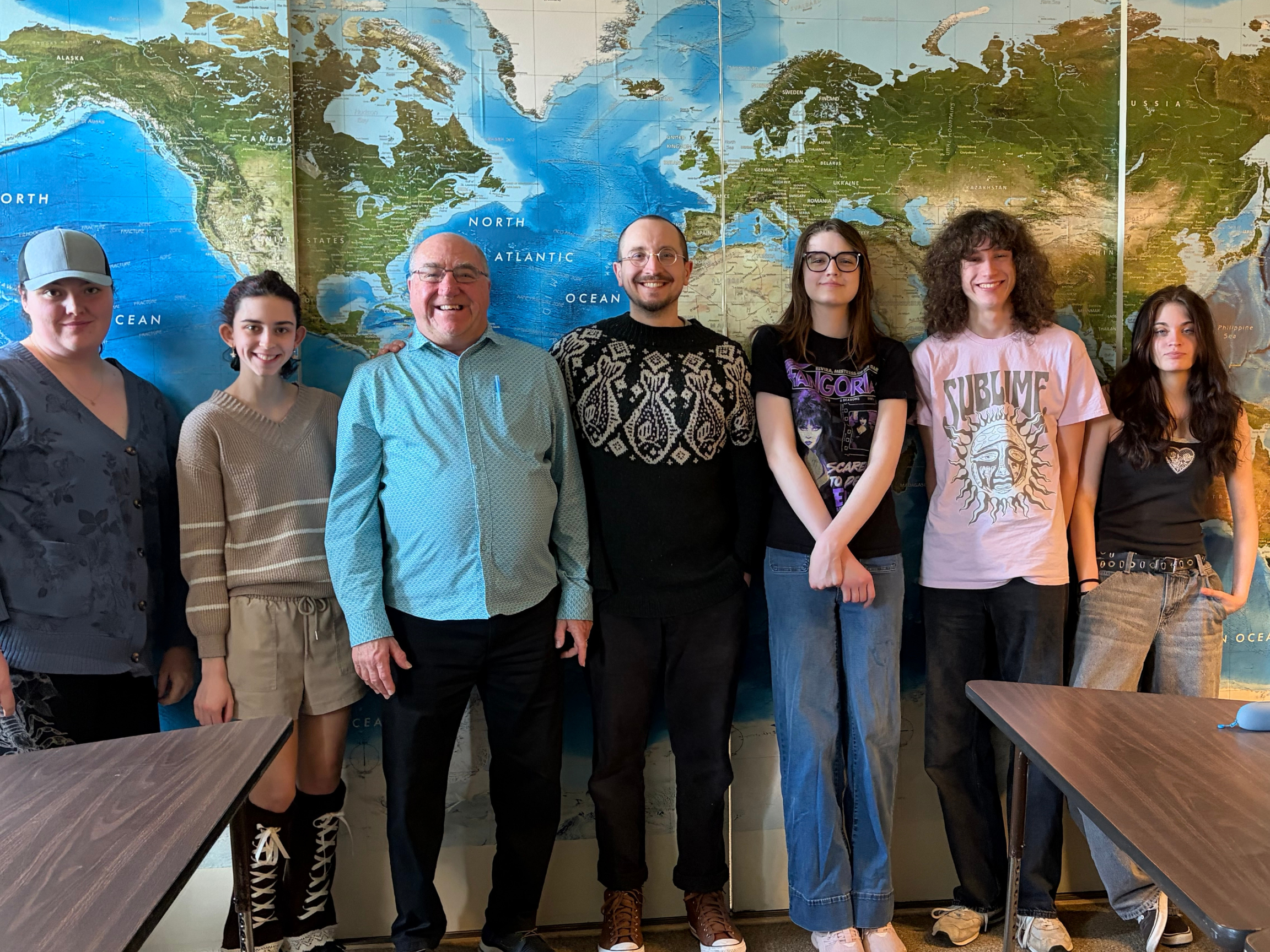
At Rock Point, this philosophy has long been central to our approach with all students. Our small class sizes allow students and teachers to truly know one another, our advising program pairs each student with a trusted mentor and coach, and our residential educators work closely with boarding students to support daily life skills and social-emotional growth. We believe students are the experts on how their brains work, and by building authentic relationships with them, we create an environment where they feel comfortable sharing their experiences with us so we can more effectively support them.

2. Teaching Interdependence as a Key Life Skill

A term that stuck out to us at the Symposium was “interdependence,” describing the ability of individuals to mutually support one another while still maintaining their own identity and initiative. For neurodiverse students, the goal is not necessarily to be completely independent; rather, the goal should be to achieve healthy interdependence. The ability for neurodiverse students to realize there are support networks around them and to know who and where to turn to when they need support is a key life skill that will continue to serve them beyond high school.

At Rock Point, we aim to teach our students how to positively use the community and resources around them to solve problems and obtain information. Through the relationships formed here between students, teachers, advisors, and staff, our students are able to feel confident and connected to seek out support when they need it.

3. Cause & Effect Consequences Are Not The End-All Be-All

In one session, two therapists discussed how cause & effect consequences are not always effective for neurodiverse students. While consequences can work, they do not always resonate in the same way or produce the intended outcomes. If a neurodiverse student continues certain undesirable behaviors despite knowing the consequences, it is then important to move beyond consequences and start asking better questions. Approaching students with the attitude that “people will do well if they can” can help educators to better understand and uncover the root causes behind behaviors.

This approach emphasizes the need for communication, flexibility, and personalized support, all which are cornerstones to our educational philosophy at Rock Point. We understand that each student is uniquely different and therefore requires different approaches to solving problems. By giving students the space to reflect on their experiences with us and providing our staff the flexibility to adapt to the unique needs of each student, we are able to find more meaningful solutions than consequences alone can often offer.

4. Allowing Experiences for “Real World” Work Builds Confidence

“In an uncertain world, real work may be the most stable foundation we can offer” was another takeaway from the Autism Symposium. Providing young people with ways to practice everyday life skills and “soft skills” helps them build confidence, especially in a world where technology and culture is constantly evolving.

For students who feel ready and are curious about the world beyond Rock Point School, we create opportunities for real-world experiences such as part-time jobs and community volunteering. These experiences allow students the freedom to learn by doing.

For students who may not yet feel ready to take on experiences outside of school, we also provide meaningful ways to contribute and build life skills within our own community. Through our life skills class, students learn how to care for themselves and others, and initiatives like our work crews (where students help care for shared spaces by cleaning up together) encourage accountability, collaboration, and the everyday skills involved in living and working alongside others.


A Commitment to Continue Learning and Growing

At Rock Point School, we are deeply committed to supporting our students. Attending the Autism Symposium reaffirmed our relationship-based approach to education while also motivating us to continue learning, growing, and adapting as an educational institution. We look forward to continuing these conversations and deepening our understanding of autism and neurodiversity to help our students thrive.

Interested in learning more about Rock Point's approach to education?


What We Learned at the Autism Symposium and How It Reinforced Rock Point’s Educational Philosophy

What We Learned at the Autism Symposium and How It Reinforced Rock Point’s Educational Philosophy

This year, we (C.J. Spirito, Head of School & Hans Manske, Director of Admissions) attended the 2026 Autism Symposium in Rising Fawn, Georgia. At...

Read More
How Structured Independence Helps Teens with ADHD Build Confidence

How Structured Independence Helps Teens with ADHD Build Confidence

Healthy boundaries can help neurodiverse teens feel more confident rather than restricted. Having worked as a boarding school educator for 25+ years...

Read More
The Rock Point School Arts Festival - In Its 26th Year!

The Rock Point School Arts Festival - In Its 26th Year!

Our Arts Festival is a yearly tradition that displays every Rock Point School students’ artwork, across various types of creative media including...

Read More