The personal, emotional, and social wellbeing of a student is as important as his or her achievement in the classroom. In everyday life at Rock Point School, students explore their physical, emotional, and spiritual health. Through countless experiences, students learn to manage their time and find a healthy balance between work and play. Our activities in the dorm are geared toward art and culture, outdoor recreation, and community service.
Life Skills Class
 Life Skills class happens once a week in the afternoon. The class is a space to explore skills that students will need as they transition off into the world after high school. During the class students will learn about living well, developing critical thinking skills, and practicing those skills in order to do them independently. Teenagers have to make daily decisions (about nutrition, relationships, and more) that affect their health and their sense of themselves. In this class, students practice everything from making an omelet to techniques for stress relief. Life skills class, in addition to all of the formal and informal mentoring in the school program, helps them become more educated decision-makers, now and in the future.
Advising Program
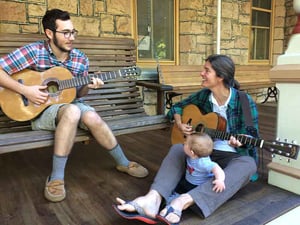 One of the cornerstones of our school is the advising system. Each student is assigned a staff member as an advisor when they begin at Rock Point School. Advisors meet with students once a week and they work with the student to develop a Personal Learning Plan throughout the year. This plan can be partially about academics, but often personal goals are a significant part of the plan. Goals can be anything from getting a part-time job to creating healthy friendships. Advisors also check in with students about basic self-care such as getting enough sleep, doing laundry, and eating well. Advisors communicate weekly with parents about students’ successes and challenges. For our students, advisors are the staff members that they often go to not only to help them problem-solve, but also the person they go to when they want to decompress with a fun activity or walk around campus. The advising relationship is one that both staff and students cherish.
Therapy
Students coming to Rock Point School have a variety of mental health needs and have experience with mental health supports ranging from individual or group therapy to residential programs. With that as a backdrop, our approach to student mental health is to take advantage of the wealth of adolescent therapists working in the Burlington community so that students can connect with a local therapist who best meets their individual needs. Students who attend Rock Point School are seeking a more open program in which they can feel more autonomy, and appreciate separating their therapy from life at school.
Students at Rock Point see a therapist as a continuation of the therapeutic work they have done at home or at a therapeutic program. Some continue to meet with the therapist they have been seeing before they enrolled, via telehealth, and we ensure that they have a private space for these meetings. Most meet with a therapist in this area.
Our Dean of School connects students and their families with a therapist who specializes in the areas of the student’s particular needs. We have well-developed working relationships with a number of skilled therapists. The school facilitates students’ regular participation in therapy through scheduling, transportation, and consultation with the therapist within privacy limits.
Support Groups
Depending on the needs of our students, we provide access to a variety of internal and community support groups. Internal support groups have included a social skills group, focused on working specifically on building social skills, and a Gender and Sexuality Alliance in conjunction with another local high school. Community support groups include AA meetings or youth groups at Outright Vermont (support for self-identified queer, trans, and questioning youth).