

 Ryan Weiland
What We Heard at NATSAP: Trends Shaping Therapeutic Education
Our Admissions team had the opportunity to attend this year’s regional conference for the National Association of Therapeutic Schools and Programs...

Healthy boundaries can help neurodiverse teens feel more confident rather than restricted.
Having worked as a boarding school educator for 25+ years supporting high school students—commonly including those with ADHD and neurodiverse learning profiles—I’ve witnessed how incredibly bright and capable students often enter school lacking confidence and feeling misunderstood.
What I’ve also found is that a young person’s confidence usually stems from having the right type of support to help them thrive. “Structured independence” is a helpful framework I have used as an educator to better support neurodiverse students, empowering them to grow both academically and personally.
What is Structured Independence?
“Structured independence” describes a framework for implementing parameters and rules while also allowing for independence and creative freedom. When used contextually for parents, educators, and caregivers, it means striking a balance of hands-on and hands-off support for adolescents to learn and grow into confident, capable young adults.
As a Dean at a boarding school, my role is holistic in nature, supporting students in both their academic and residential worlds. In this position, I have the privilege of getting to know the whole student and their journey, as well as their parents and caregivers. Through this, I’ve noticed two common types of students: those from backgrounds that emphasize “structure” too heavily and those that emphasize “independence” too heavily.
Take the student who, upon coming to school, felt they had to constantly ask school staff for permission and lacked confidence in self-advocating. This student came from a household where their parents’ rules restricted them from trying new things and taking safe risks. For that student, too much structure led to a lack of confidence in their abilities.
Or the student who avoided attending their former school for months and arrived feeling anxious and unprepared for the structure of a school schedule. They had been navigating environments that had a great deal of independence but lacked a strong support network, making it difficult for the student to build confidence in setting routines and making healthy choices.
Practicing structured independence with young people helps them strike a balance between the two, allowing them to feel confident being guided in the right direction while also forging their own path.
What Structured Independence Looks Like in Practice
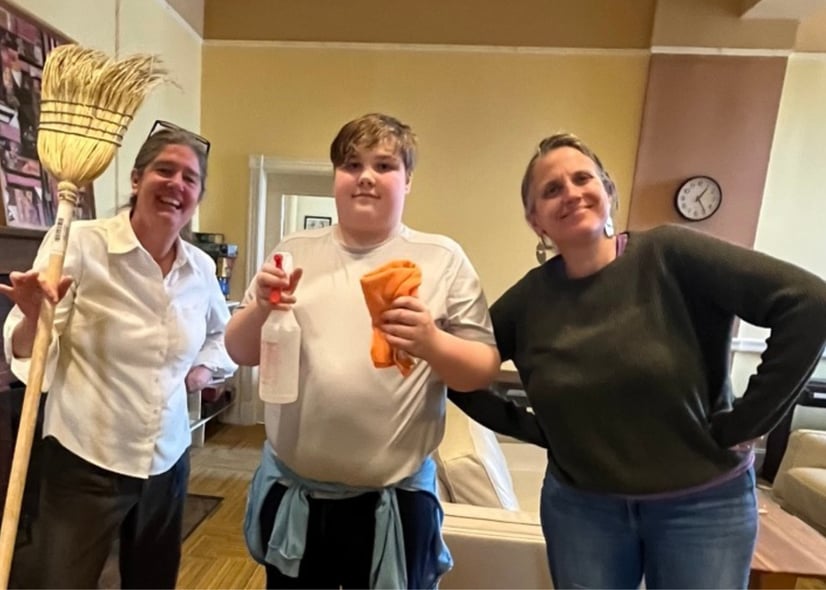
In the boarding school environment, structured independence looks like following routines and schedules, but allowing students flexibility and choice throughout their day.
Academically, while classes like history occur at consistent times each day, students are given flexibility within that structure to meet their needs and make creative choices. For example, a student with ADHD who struggles to sit still might stay engaged by teaching part of the lesson, and students can choose topics and formats for projects, whether an essay, comic, or play.
Residentially, this same structured independence applies by setting consistent times for free time or personal routines, while allowing students to choose how they explore their interests and practice self-care habits.
These same principles can also be used by parents and applied to their children at home.
How to Find the Balance With Your Child
Some helpful strategies and reminders to practice structured independence with adolescents include:
Confidence is Key
Neurodiverse teens don’t lack ability. They lack enough experiences of success to fully trust themselves and feel confident in their abilities.
By implementing a "structured independence” framework, young people grow the confidence to take safe risks, explore their own boundaries, practice self-advocacy, and learn from their mistakes—all which build confidence and self-esteem they can carry with them onward and upward throughout their lives.
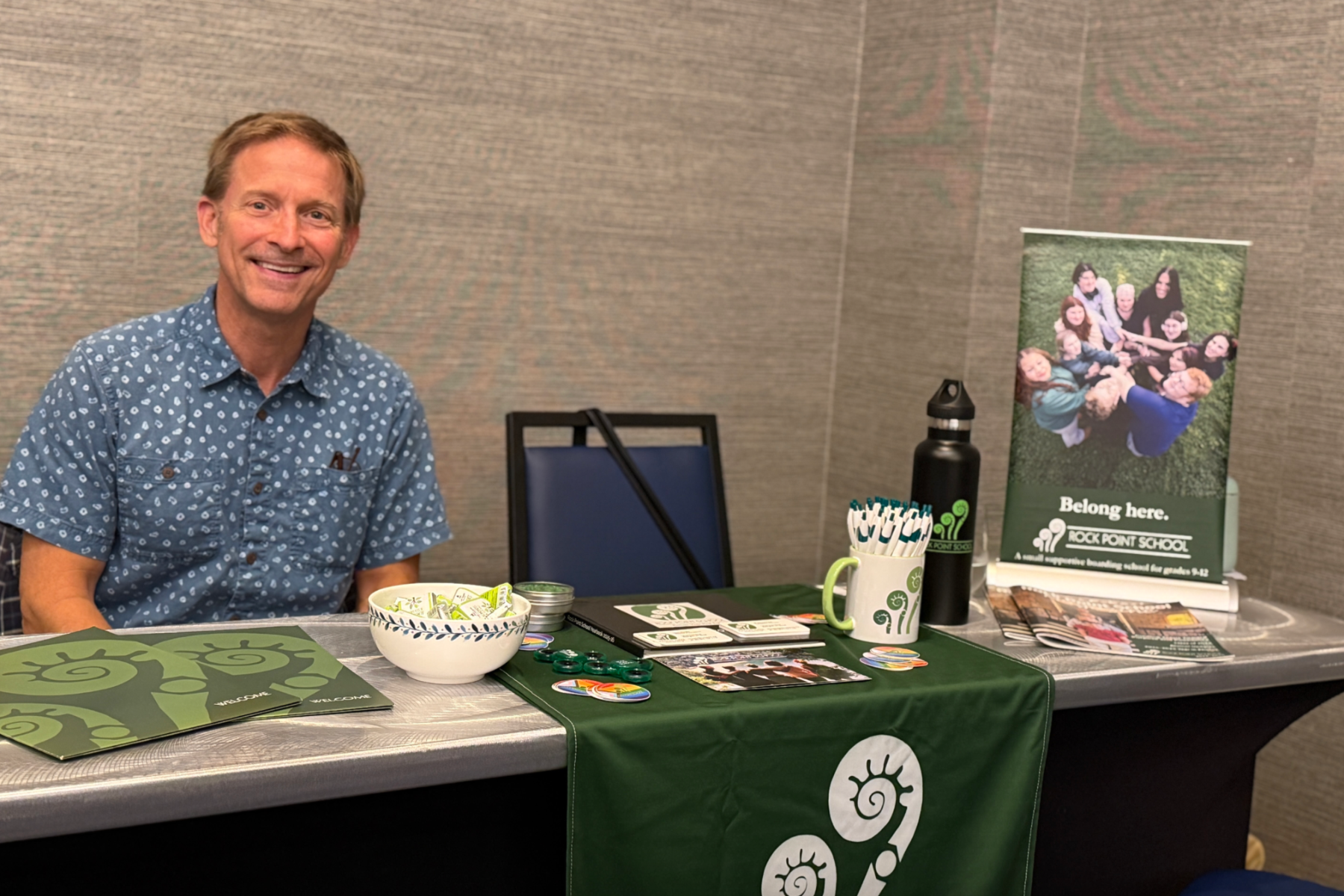
Our Admissions team had the opportunity to attend this year’s regional conference for the National Association of Therapeutic Schools and Programs...
Whenever somebody learns that I’m a History teacher, the conversation tends to go in one of two directions: “Oh, I loved History class,” or “Oh, I ...
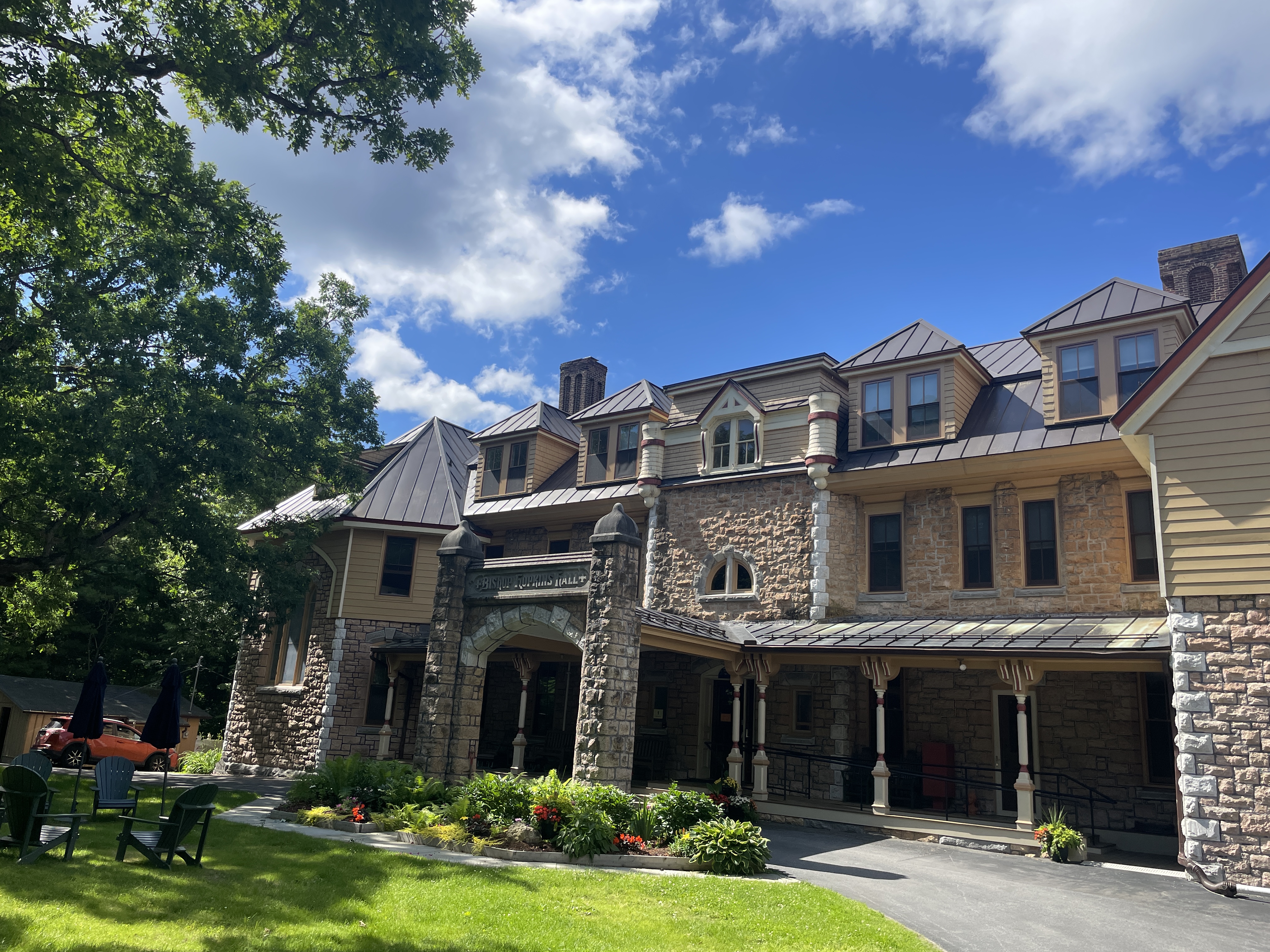
As we continue to welcome summer visitors to Rock Point School and accept new students for the 2026-2027 school year, we always encourage questions...