

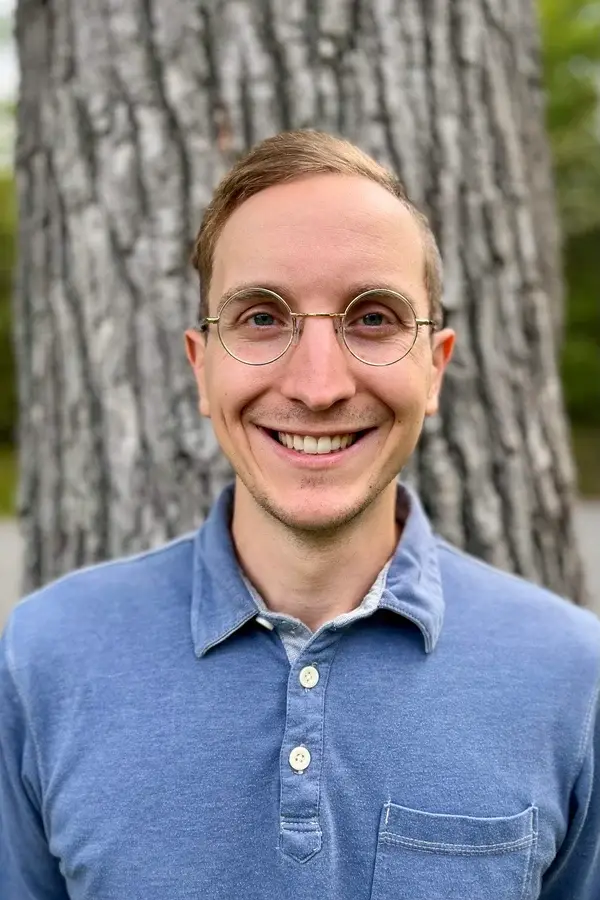
 Mark Spigos


What We Heard at NATSAP: Trends Shaping Therapeutic Education
Our Admissions team had the opportunity to attend this year’s regional conference for the National Association of Therapeutic Schools and Programs...
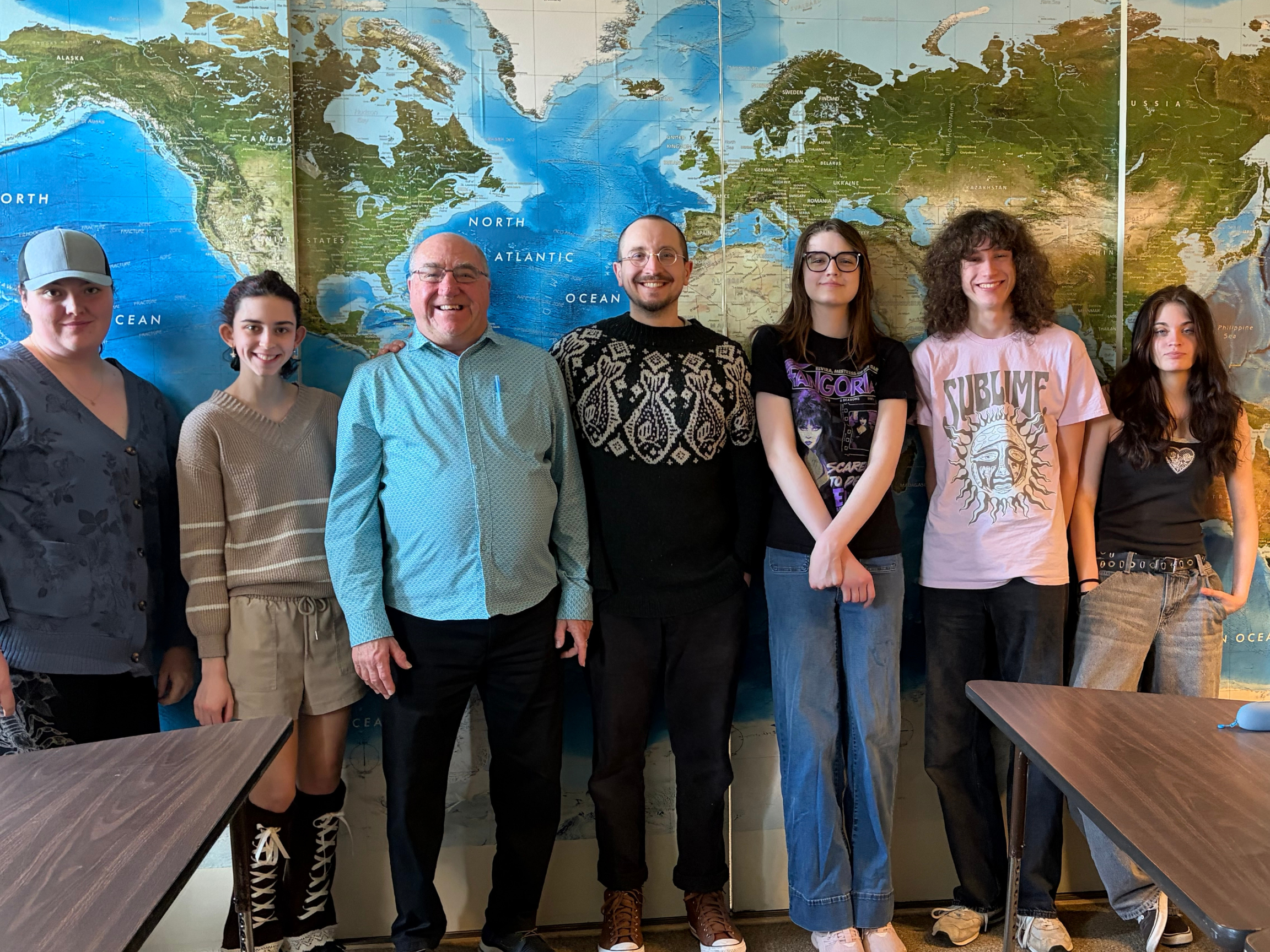
Whenever somebody learns that I’m a History teacher, the conversation tends to go in one of two directions: “Oh, I loved History class,” or “Oh, I hated History class.” Invariably, the latter interaction tends to be a reflection of that person’s past experience of having to memorize dates and names, without any deeper sense of connection to the content. Perhaps unsurprisingly, I loved History class, and still do. I love that studying history means studying people: people who, like us, contain multitudes. It’s that sense of connection between past and present—of getting to know the people that we study—that has kept me curious about this subject throughout my life.
When I was a Junior in high school, my History teacher assigned a project that involved researching a family member, and gathering primary source (i.e., first-hand) accounts of their life. At my dad’s suggestion, I chose my great-uncle, Ioannis, of whom I knew nothing. But after a few weeks of placing Skype calls to family members in Greece, and digging through old records, that would change in ways that I couldn’t have anticipated when I began the project. Yes, I learned the facts of his life: that he grew up on a farm in the Peloponnesos, in a house that would be burned down in retaliation for his involvement with the Greek resistance to German occupation during World War II, and that he went on to become an international diplomat after the war. But I also felt like I got to know him. I read his poetry. I beheld crinkled, black-and-white photographs of Uncle Ioannis alongside my late grandmother, his sister; and holding hands with a baby boy with ringlet curls, my Dad. A few months after submitting my project, I was even able to visit his reconstructed house in our ancestral village in the Peloponnesos, Ano Ziria. Almost twenty years later, I am still connecting with my Greek aunts, uncles, and cousins over the shared experience of remembering Uncle Ioannis’ life.
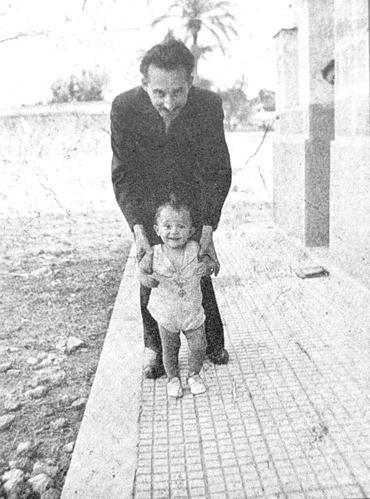
Uncle Ioannis with Mark's Dad. Athens, GR. (1944).
Now, with a classroom of my own, I am always looking for ways for my students to experience history in a way that facilitates connection. So yes, we learn (but don’t memorize) dates and names for context, but we also try to find avenues for exploring deeper questions, such as “How and why did it happen?” or, my personal favorite, “What was it like?” The answers to these questions tend to reside within people. For instance, over the past few years I have taught Rock Point seniors about the Vietnam War. I am fairly certain that if you went back and polled those students on what they remember, they would mention getting to ask Keith Pillsbury, a local Vietnam veteran, “How was the transition from going to war to coming back home?” Or perhaps they might remember asking John Rouleau, who was a conscientious objector, about which sources of information shaped his beliefs.
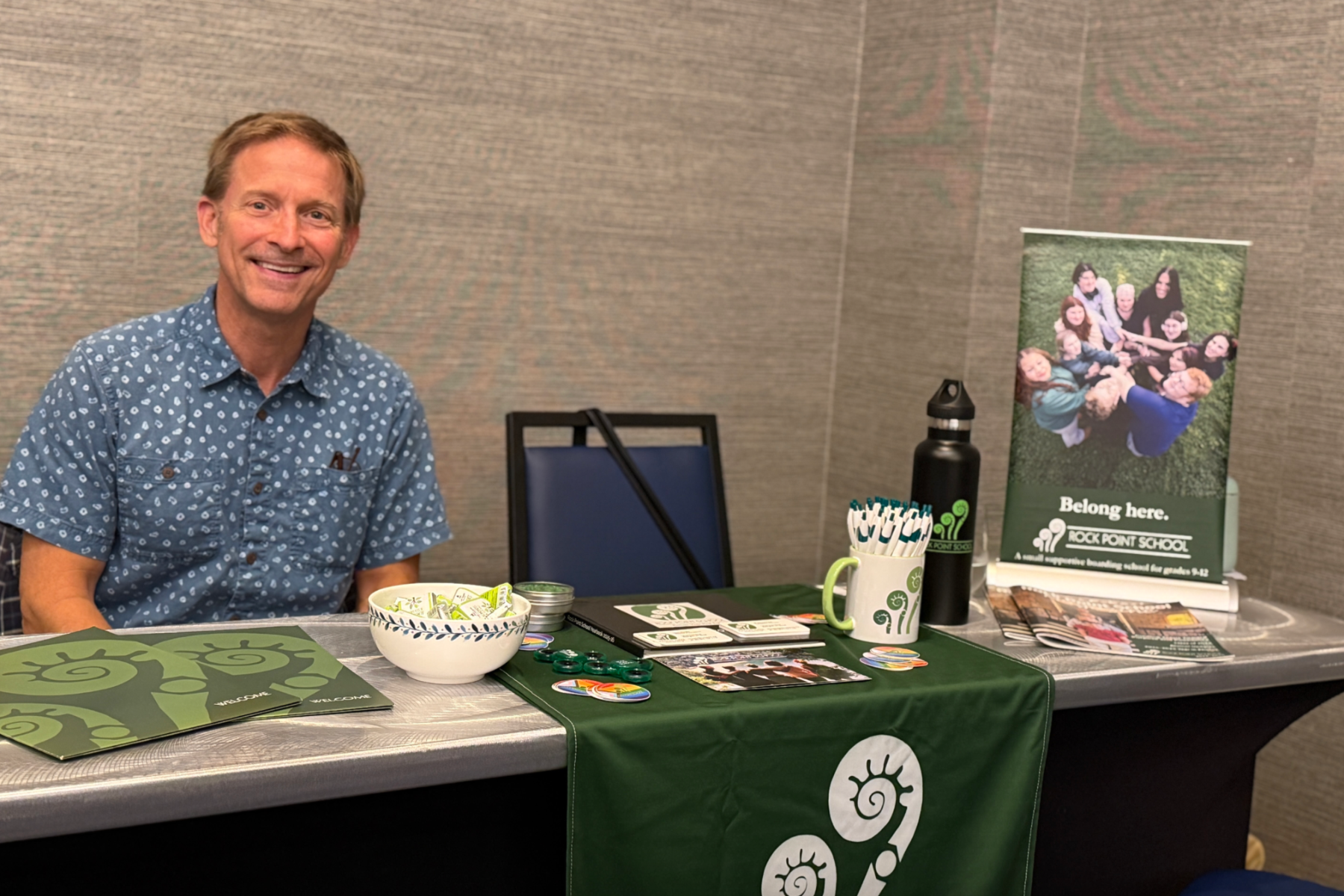
Our Admissions team had the opportunity to attend this year’s regional conference for the National Association of Therapeutic Schools and Programs...
Whenever somebody learns that I’m a History teacher, the conversation tends to go in one of two directions: “Oh, I loved History class,” or “Oh, I ...
As we continue to welcome summer visitors to Rock Point School and accept new students for the 2026-2027 school year, we always encourage questions...